

The page does not answer the buyer's question
People leave when they cannot find the size, delivery time or proof they need.
Website
Conversion rate optimisation (CRO) means getting more of your website visitors to buy. We improve product pages, landing pages and checkout, so every pound you spend on ads brings in more orders.
The problem we fix
If people click an ad and then leave the site, the ads look expensive. The cause is often on the page: a missing answer, a weak offer or a confusing checkout.
People leave when they cannot find the size, delivery time or proof they need.
If the ad promises one thing and the page shows another, people leave.
Changing button colours rarely moves sales. Testing the offer, proof and page order does.
How we do it
The details change for every brand. These steps do not.
We look at your analytics, recordings and customer questions to find the page that loses the most sales.
We improve the copy, layout, offer, reviews and product details on the page that matters most.
If you have enough visitors, we A/B test changes. If not, we make changes based on research and track the result.
Winning messages from the website go into the next round of ads.
Case studies
Each story shows the numbers before and after we started.
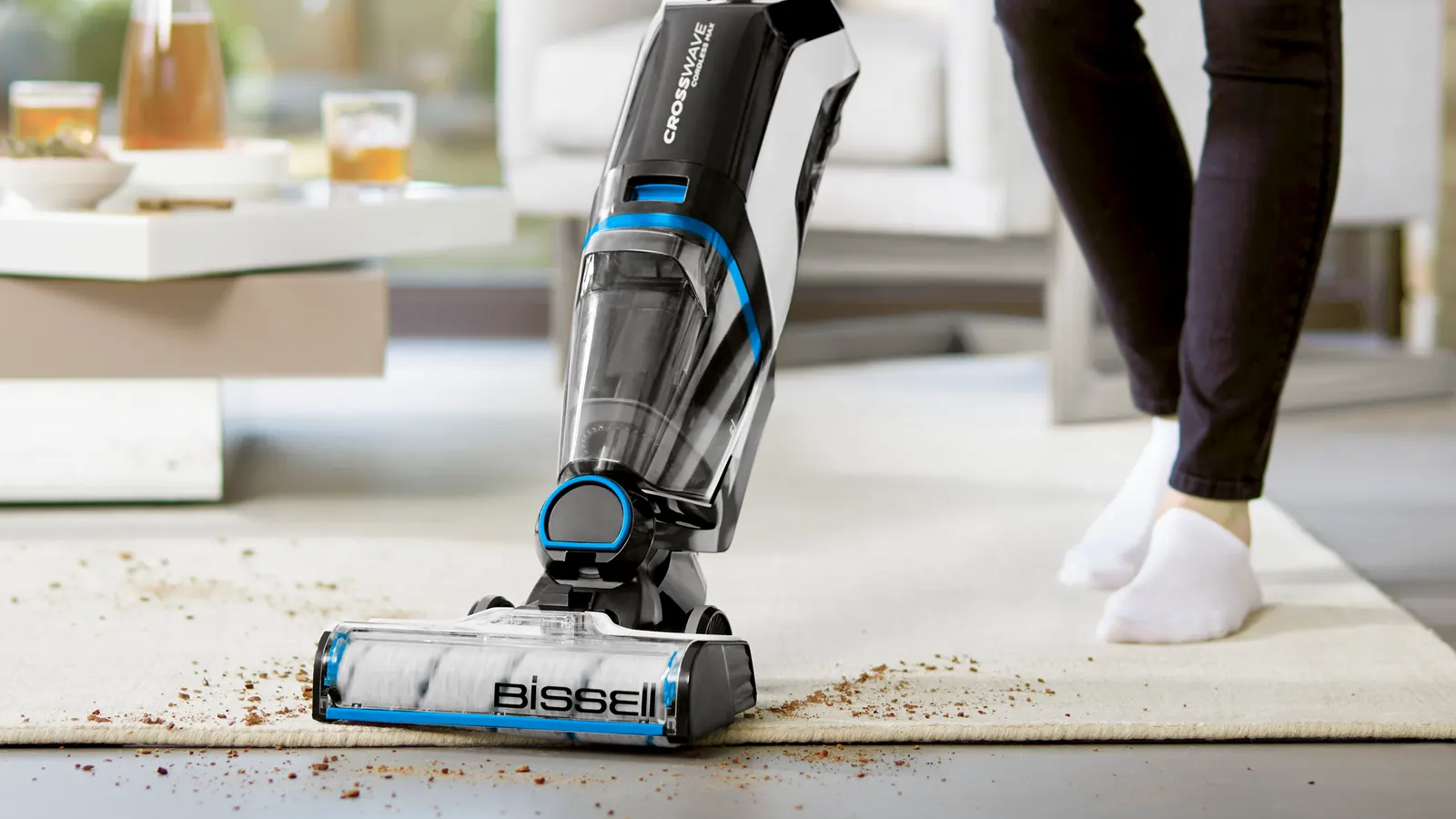

Bissell
3.4×Online sales grew from about £5k to £17k a day while we ran its Meta ads
A well-known floor cleaner brand selling direct online in the UK. While we ran its Meta ads, online sales grew from about £5k a day to an average of £17k a day.
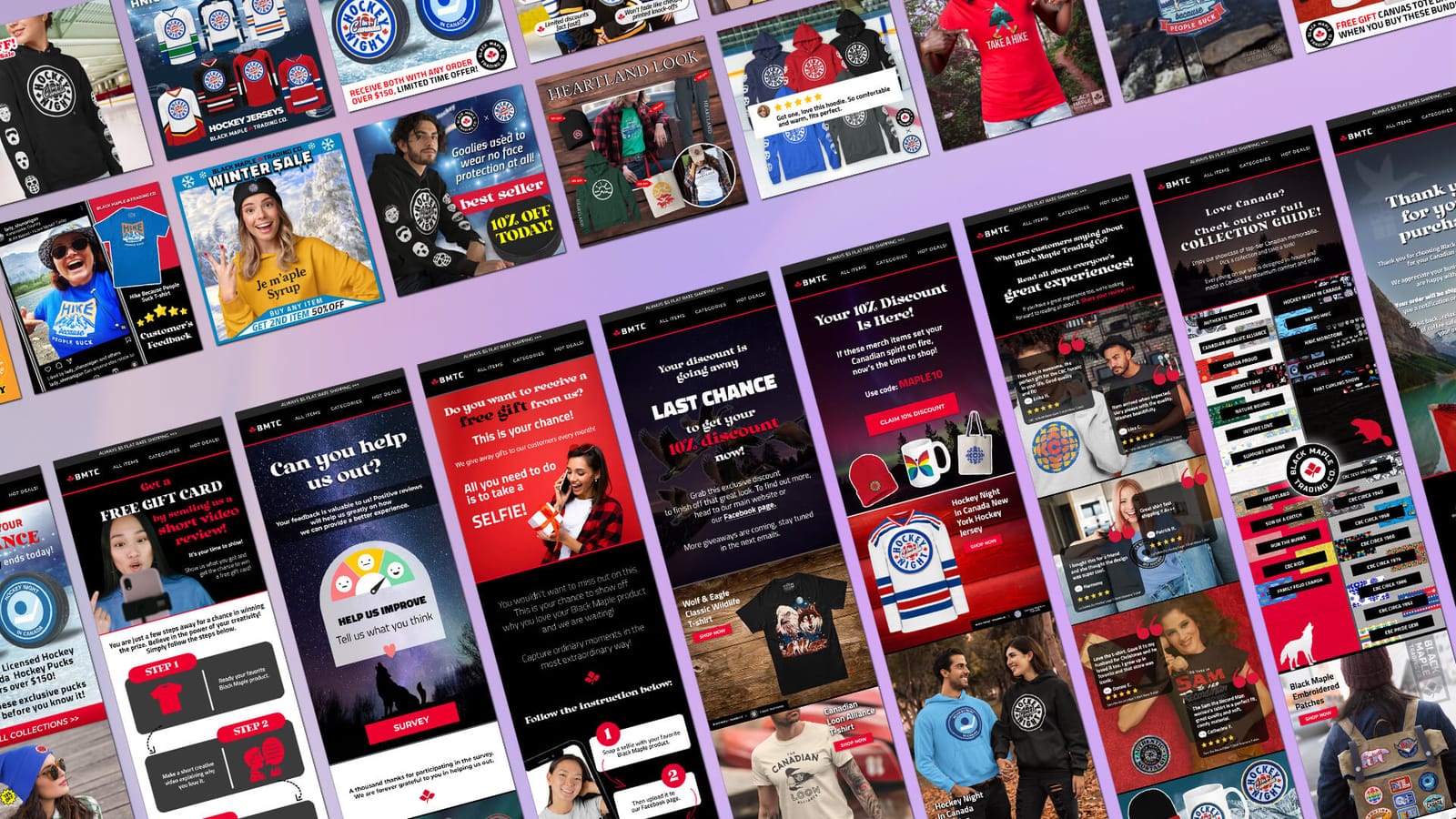

Black Maple Trading
$890kSales from $232k of ad spend: $3.80 for every $1
A Canadian clothing brand. $232k of ads across seven channels brought in $890k of sales and about 80,000 new customers.

Bier Company
£9MRevenue from £2.6M of ad spend
A craft beer gift and subscription brand. We cut Christmas ad spend, turned a £265k Q4 loss into a £507k profit and helped prepare the business for its sale.
Your industry
Margins, buying habits and seasons differ by industry, so the plan does too.
Clothing brands have thin margins, lots of returns and ads that stop working within weeks. Growth starts with knowing what each sale really makes you.
Read industry page IndustryIn food and drink, the first order rarely makes a profit. Repeat orders, gifting seasons and delivery costs decide whether you make money.
Read industry page IndustryA sofa or a new appliance is rarely an impulse buy. People look several times before they buy, and most ad reports only credit the last click.
Read industry page IndustryElectronics buyers compare specs, prices and reviews before they buy. Your ads and website have to win that comparison without giving away your margin to marketplaces.
Read industry pageWhy one team helps
When more visitors buy, Meta, Google, email and Amazon all bring in more sales for the same spend. Here is the sum (example, made up):
See how we work| Before | After | |
|---|---|---|
| Ad spend | £600 | £600 |
| Visitors from the ads | 1,000 | 1,000 |
| Share who buy | 2% | 3% |
| Orders | 20 | 30 |
| Cost per order | £30 | £20 |
The ads and the visitors stay the same. You get 10 more orders, and each costs £10 less to win.
FAQ
Research, a list of fixes in order of value, the page changes themselves, tracking and a report on what changed.
A/B testing needs enough visitors to give a clear answer. Smaller stores can still make research-based changes and track the result.
Yes. We can also brief your own designers and developers.
Conversion rate, order value and profit, plus the effect on what your ads cost.
Guides
Longer guides on this topic, written by Anthony.
Each extra pound on the same ads reaches people less ready to buy, so the next customer costs more than the last. A worked example, and what to do instead.
Read it AnalyticsThe ROAS in Meta and Google Ads is the sales each platform credits to itself. One shopper, one order, 2 claims, and what to track instead.
Read it
Tell us about your brand when you book. Anthony reads it before the call, so you start with your numbers, not introductions.