

Automated emails miss key moments
Welcome, abandoned basket, post-purchase and win-back emails should match how your customers buy.
Email and SMS
We build and run your Klaviyo email: the automated emails that send themselves (welcome, abandoned basket, post-purchase, win-back) and the campaigns you send each week. The goal is simple: more customers buy a second time.
The problem we fix
The list is there, but the automated emails are basic, the campaigns go to everyone, and nobody knows how many sales email really adds.
Welcome, abandoned basket, post-purchase and win-back emails should match how your customers buy.
Sending every email to every subscriber teaches people to ignore you.
Email should be planned with your ads, so each new customer is worth more.
How we do it
The details change for every brand. These steps do not.
We look at when customers hesitate, buy again or stop buying.
We write and design welcome, abandoned basket, post-purchase and win-back emails around real customer questions.
Each campaign has one job: launch a product, explain it, bring back lapsed customers or sell more to recent ones.
We track repeat purchases and profit, not only the revenue Klaviyo reports.
Case studies
Each story shows the numbers before and after we started.
Bier Company
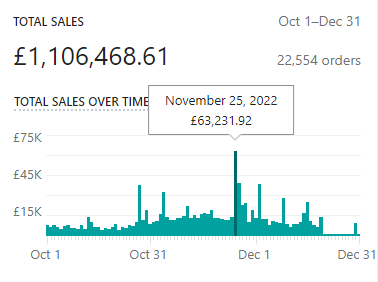
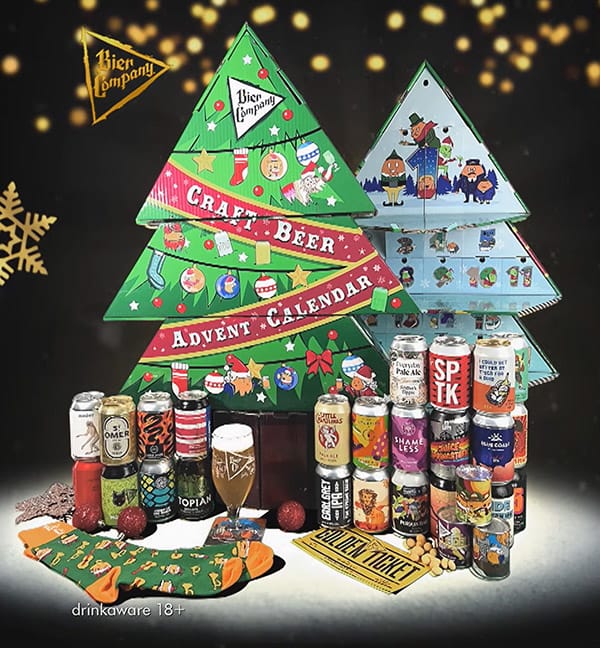
£9MRevenue from £2.6M of ad spend
A craft beer gift and subscription brand. We cut Christmas ad spend, turned a £265k Q4 loss into a £507k profit and helped prepare the business for its sale.

Black Maple Trading
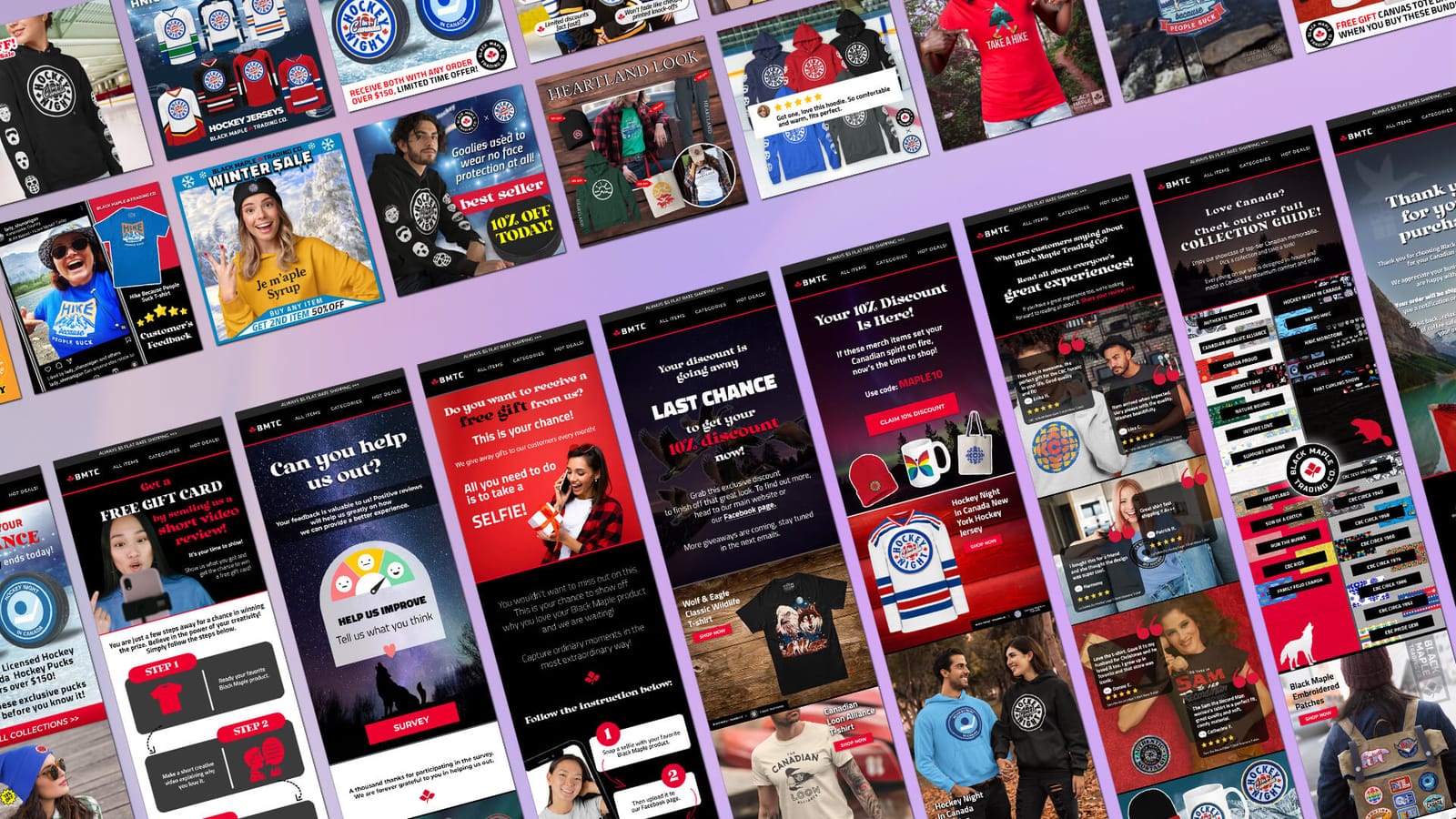
$890kSales from $232k of ad spend: $3.80 for every $1
A Canadian clothing brand. $232k of ads across seven channels brought in $890k of sales and about 80,000 new customers.


Force Wear
15×Monthly sales grew from £10k to £150k
A veteran-owned clothing brand that started in a shed. We moved it to Shopify, improved the website and ran its Meta ads, which brought in £2.9M of sales. It moved to a bigger warehouse.
Your industry
Margins, buying habits and seasons differ by industry, so the plan does too.
Clothing brands have thin margins, lots of returns and ads that stop working within weeks. Growth starts with knowing what each sale really makes you.
Read industry page IndustryIn food and drink, the first order rarely makes a profit. Repeat orders, gifting seasons and delivery costs decide whether you make money.
Read industry page IndustryA sofa or a new appliance is rarely an impulse buy. People look several times before they buy, and most ad reports only credit the last click.
Read industry pageWhy one team helps
When people buy again, you can afford to pay more for their first order. That is why email and ads belong in one plan. Here is the sum (example, made up):
See how we work| First order only | With a second order | |
|---|---|---|
| Profit from the first order | £20 | £20 |
| Profit from the second order | £0 | £20 |
| Cost of winning the customer | £25 | £25 |
| Result per new customer | loses £5 | makes £15 |
At £25 a customer, ads lose £5 on a first order. If email brings the customer back once, the same customer makes you £15.
FAQ
Automated emails, weekly campaigns, list segments, testing and a monthly report.
Yes. We can run email for you, or train and guide your team.
Usually within a few weeks, once we have your brand assets, product details and account access.
Yes. See our SMS and chat marketing page.
Guides
Longer guides on this topic, written by Anthony.
Each extra pound on the same ads reaches people less ready to buy, so the next customer costs more than the last. A worked example, and what to do instead.
Read it StrategyEach specialist is right about their own channel. None of them is responsible for whether the business grows. That job falls on the founder, and it is the most expensive cost nobody invoices.
Read it
Tell us about your brand when you book. Anthony reads it before the call, so you start with your numbers, not introductions.