

Each platform needs different ads
A TikTok ad looks nothing like a Pinterest ad. Copying the same ad everywhere wastes money.
Paid ads
Meta is not the only place your customers scroll. We test TikTok, Pinterest, Snapchat, LinkedIn and X on a small budget, keep the ones that make a profit and stop the ones that do not.
The problem we fix
When Meta costs rise or an account has problems, a brand with only one channel has nowhere else to sell. A second channel spreads that risk.
A TikTok ad looks nothing like a Pinterest ad. Copying the same ad everywhere wastes money.
New channels are often switched off before they have had a fair test, or left running when they lose money.
Home and nursery shoppers plan on Pinterest. Younger shoppers find products on TikTok. B2B buyers are on LinkedIn.
How we do it
The details change for every brand. These steps do not.
We choose the platform that fits your product and customer, based on where they already spend time.
We agree a test budget, a time limit and the result needed to keep going before we spend a pound.
Each platform gets ads made in its own style and format.
If the test hits the target, we raise the budget. If it does not, we stop it and tell you why.
Case studies
Each story shows the numbers before and after we started.
The Modern Nursery
£2.5MSales from £120k of Meta ads
A premium nursery furniture and toy shop. We grew it on Meta, then added Pinterest and Google to reach parents planning a nursery. Meta alone brought in £2.5M of sales and more than 30,000 orders.

Black Maple Trading
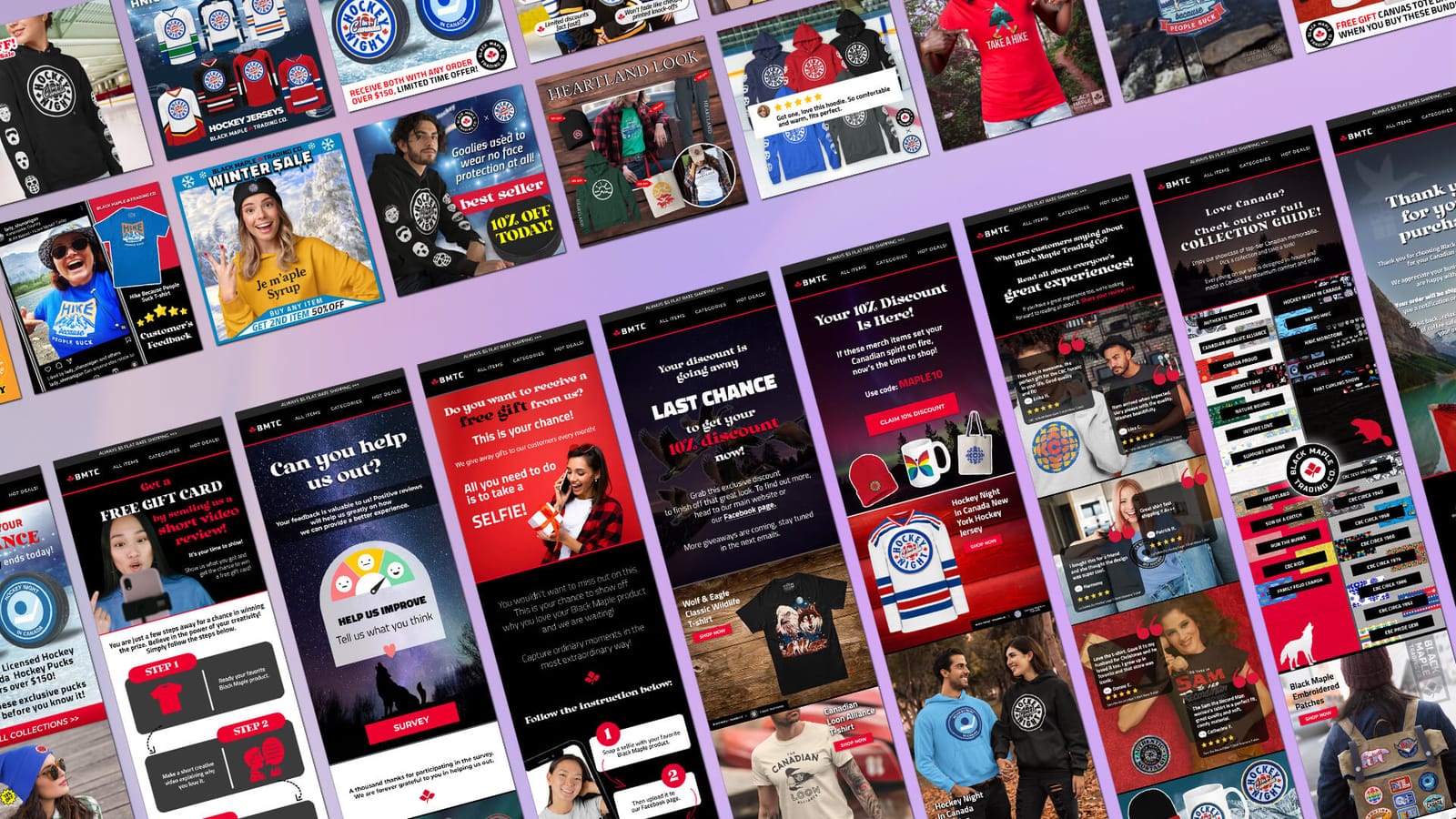
$890kSales from $232k of ad spend: $3.80 for every $1
A Canadian clothing brand. $232k of ads across seven channels brought in $890k of sales and about 80,000 new customers.
BaseStack
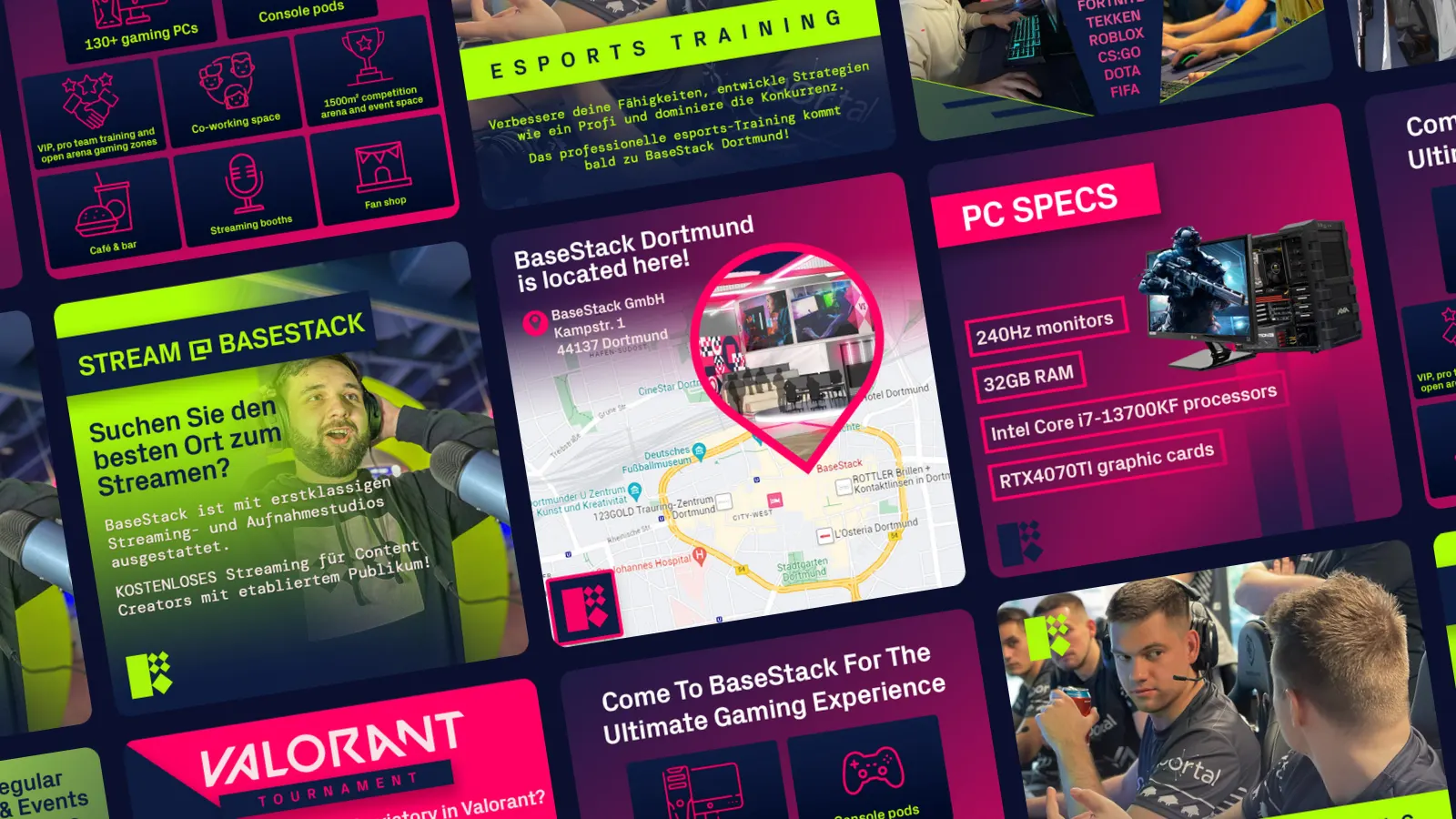
+108%Revenue growth, year on year
An esports venue company growing in Poland and Germany on a tight budget. We worked out what was driving sales across ads, footfall and in-store sales. Revenue more than doubled and customers nearly doubled.
Your industry
Margins, buying habits and seasons differ by industry, so the plan does too.
Why one team helps
We add channels one at a time and judge each on the same profit target as Meta and Google. That way the plan grows without the spend running away from you. Here is a test (example, made up):
See how we work| Result | Orders | Cost per order | Decision |
|---|---|---|---|
| Agreed before the test | |||
| Budget for each test | £1,000 | ||
| Time limit | 4 weeks | ||
| Most an order can cost, same as Meta and Google | £30 | ||
| First channel tested | 40 | £25 | Scale |
| Next channel tested | 25 | £40 | Stop |
The first channel wins an order for £25, under the £30 limit, so its budget goes up. The next costs £40 an order, so it stops.
FAQ
It depends on your product and customer. Home, nursery and gift brands often do well on Pinterest. Products that show well on video often do well on TikTok. B2B brands usually start with LinkedIn.
Enough for the platform to find buyers. We agree the budget, the time limit and the result needed to keep going before we start.
Yes. Each platform gets ads made for it, in its own format.
Yes. YouTube is run from Google Ads, so it sits on our Google and YouTube Ads page.
Guides
Longer guides on this topic, written by Anthony.
3 agency reports that add up to more revenue than the business took. Why one agency per channel costs growing brands money, and the 2 setups that fix it.
Read it Paid MediaGoogle shows your products to people already searching. Meta shows them to people who were not. A worked example, and how to pick which to fund first.
Read it StrategySet your total marketing budget from your profit after the costs of each sale, then split it between Meta, Google, email, creative and tests. A worked example and a calculator.
Read it
Tell us about your brand when you book. Anthony reads it before the call, so you start with your numbers, not introductions.