
The pivot after the pivot
Bier Company started life as Bier Nuts, selling pub snacks into pubs. When Covid hit, that revenue vanished almost overnight. Within 48 hours, the team pivoted into beer gift boxes and subscriptions, selling the world’s finest craft beers direct to consumers.
That move worked. The brand raised money, scaled hard and built demand. But the business that worked in lockdown was not the business the market wanted once lockdown ended. Beer drinkers were returning to pubs and clubs. Investors had started valuing profit over top-line growth. The job changed from “sell as much as possible” to “make the business sustainable”.
We started with product and stock
The first change came in the product range, before any change to the ads.
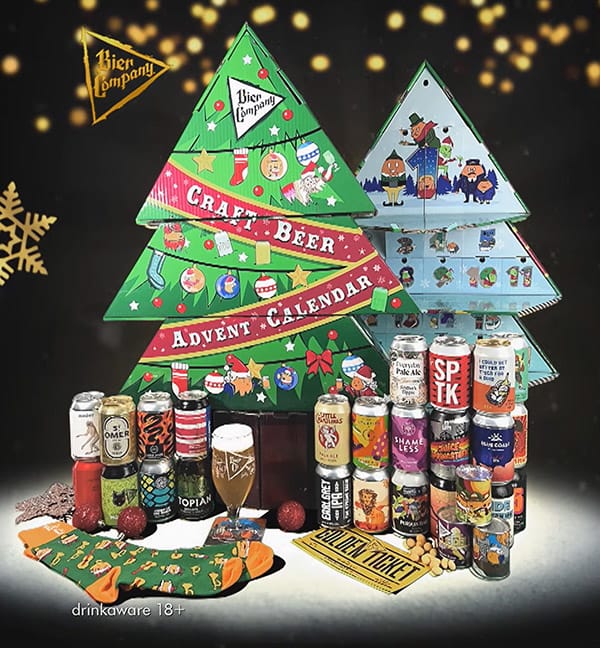
Bier Company sold beer, but the buyer was often not a beer fan buying for himself. A large share of demand came from women buying for the kitchen cupboard, as family gifts or for seasonal moments. That changed the range: subscription boxes, style-speciality boxes, everyday gifts, seasonal boxes and clearance offers each needed their own message.
Then there was stock. Beer goes out of date faster than most people think. Bier had already lost £120k to spoilage, from holding too much of some beers and too little of others. We worked with the sourcing and logistics teams to put beers that were in stock or easy to source first, and to adjust as stock ran down. That stopped marketing from creating demand the warehouse could not fulfil at a profit.
Gifting seasons became planned peaks
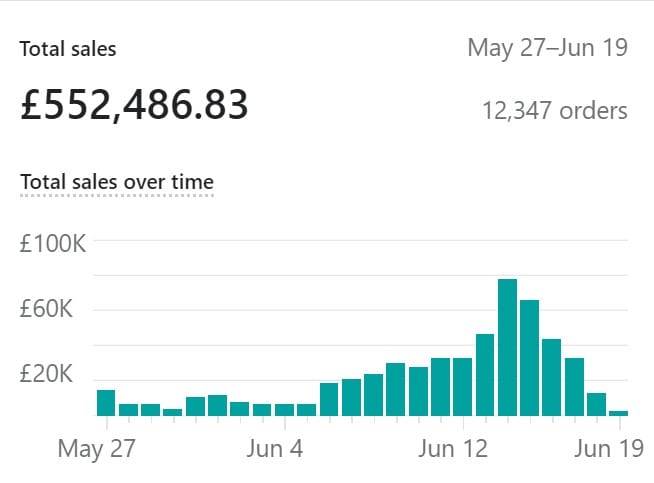
Gifting dates drove the biggest sales. Valentine’s Day, Father’s Day, football fixtures, the brand’s own launch anniversary, Black Friday and even sale days created from scratch gave Bier Company new peaks, without waiting for demand to appear.
That calendar shaped the channel plan. We ran Meta, Google, TikTok, Pinterest, programmatic, landing pages, email and SMS ourselves. We led strategy across social, web, UX and CRO with the in-house team, and coordinated external suppliers for affiliate, influencer, radio, direct mail, TV, PR and SEO.
The aim was to make every channel work to the same calendar.
New ads every week
Bier needed a lot of new ads because the range was broad and the calendar moved quickly. We worked with in-house designers and videographers to produce copy variants, hundreds of ad creatives, campaign emails and full film shoots with locations, actors and videographers.
The output included TV-quality ads, unboxing videos, lifestyle photography, branded graphics, animated product videos and print collateral. That gave the social ads enough new angles to keep testing, and gave the brand’s own channels enough fresh material to bring sales forward.
Paid ads moved from volume to efficiency
Meta’s past success hid a problem: our review showed Bier could have made the same revenue on roughly half the spend. With pubs reopening and profit becoming the target, the media plan had to become much more efficient.
We added Twitter, Pinterest and TikTok ads, improved tracking, and built reporting across every channel that split new-customer revenue from returning-customer revenue.
Google Ads became the biggest-spending channel on peak sale days because it caught demand at a good price. The account reached around £20k of spend a day. We used only the parts of Performance Max that worked, split asset groups by type of buyer and forecast against search-volume trends.
Email and SMS earned more from the same audience
Bier had built an email list of roughly 120k contacts. These were people the business did not have to keep paying to reach.
We ran a busy schedule: 188 campaign emails in a single year, 24M sends and £1M of revenue credited to email. When an offer did especially well by email, we followed up by SMS, which costs more but reaches people ready to buy. Over Father’s Day, SMS brought back £5.50 for every £1 spent on it.
We also rebuilt the automated emails: welcome, browse abandonment, cart abandonment, post-purchase, post-subscription and lapsed-customer.
Why it worked
Our review showed Bier could make the same revenue on roughly half the spend, so the media plan focused on efficiency. Product choices followed stock, which stopped marketing from creating demand the warehouse could not fulfil at a profit. The email list of roughly 120k contacts brought back buyers the business did not have to pay to reach again. Together, that is how a £265k Q4 loss turned into a £507k profit.
The result
Across the engagement, Bier Company generated £9M in revenue from £2.6M of ad spend.
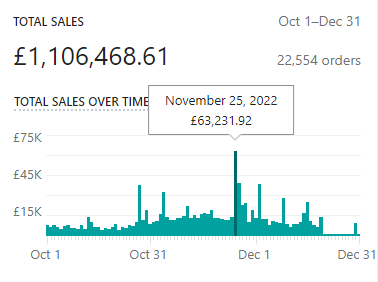
Q4 tells the clearer story. The year before, Bier spent £928k to make £2.5M of revenue and still lost £265k. After the change, Q4 spend fell to £158k, revenue came in at £1.1M and the quarter ended with a £507k profit: £773k better than the year before.
That is the difference between chasing sales and building a business that makes a profit. Bier Company became sustainable enough that the founders agreed a sale to a major UK food and drink brand and left the industry.