
A plan first
We started with market research and a growth plan. It named three gaps: tracking that missed donations and form sign-ups, reach that relied on search alone, and too few website visitors taking a next step. We then set monthly goals for donations, sign-ups, search traffic and ad spend, and tracked each one against the year before.
Search ads that matched what donors look for
We used Google’s free ad credit for charities alongside paid search. We built eight campaigns around how donors search: hunger and poverty in Africa, Uganda, Kenya and Ethiopia, plus awareness in East Africa. Because each ad matched the search, people clicked: the paid search account had a 13.5% click rate, at $0.63 a click.
A video that showed where the money goes
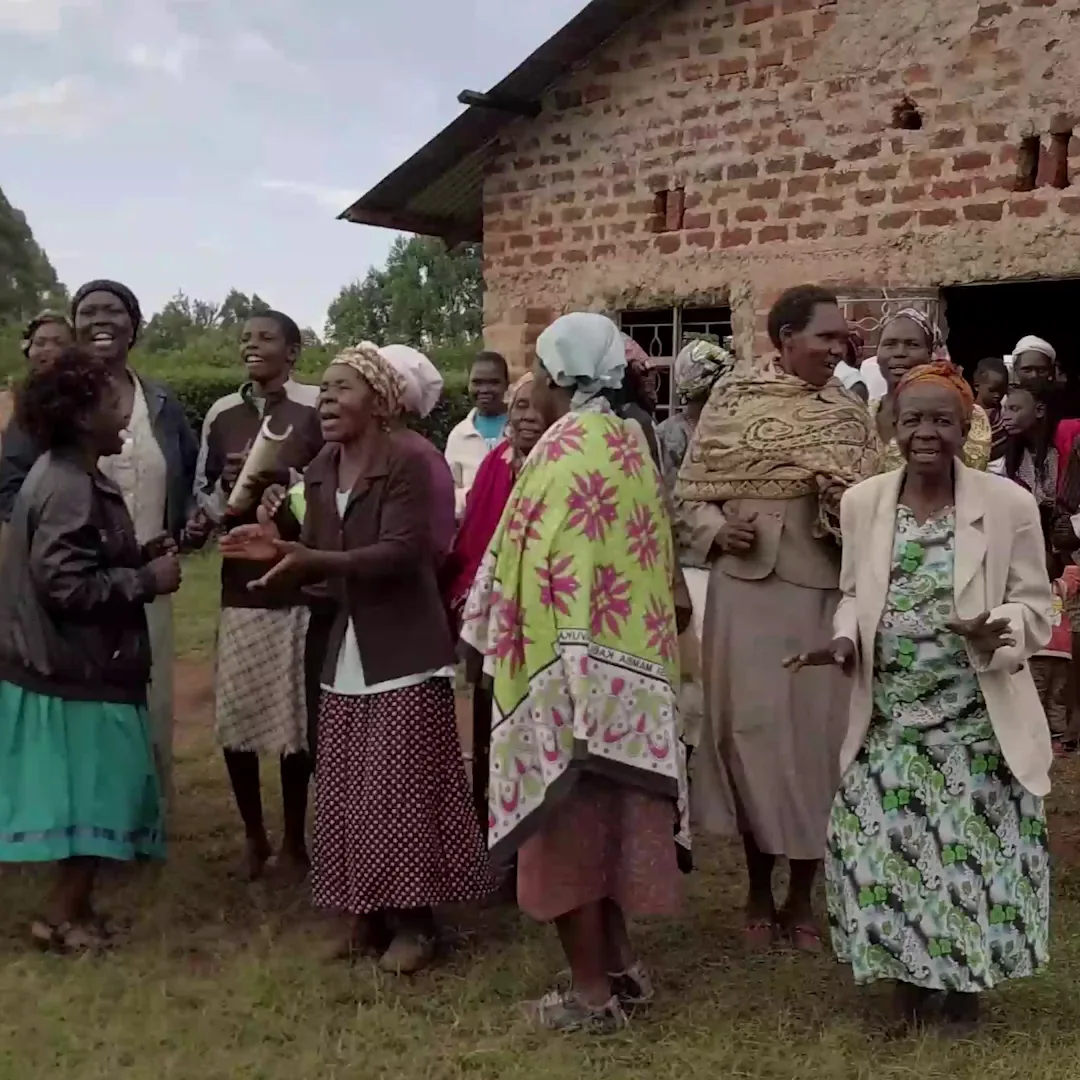
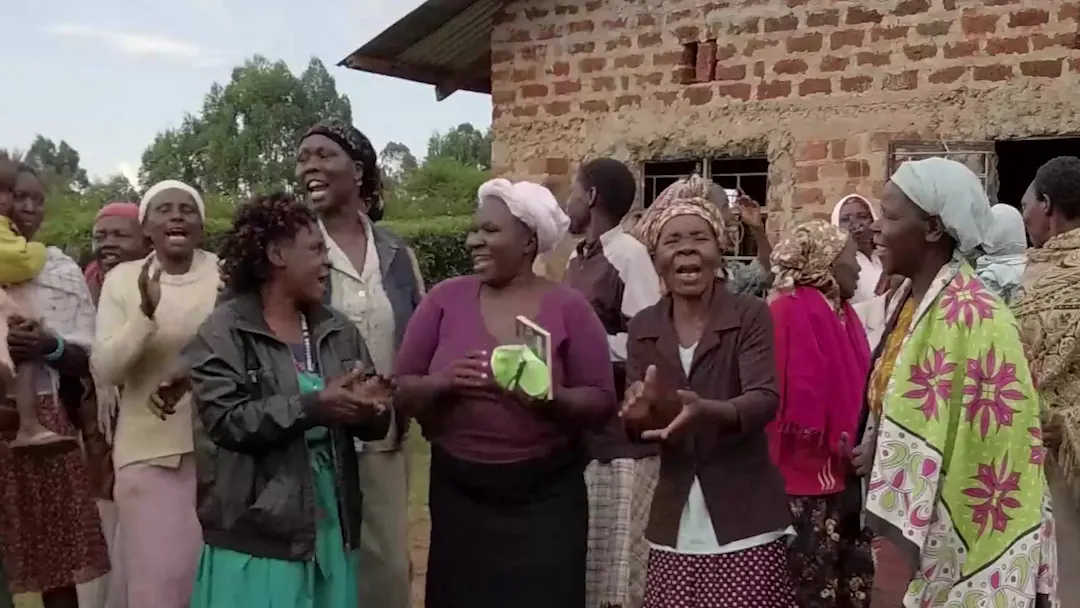
We made a 90-second video, ‘$5 from every donation’, showing where each donation goes. It beat the dance video the charity had been running on Meta. One of our Meta ads gathered 1,800 reactions and 181 shares.
Free tools that turned visitors into supporters
We designed free sign-up offers, such as a one-minute impact calculator. We also planned email journeys in Salesforce and trained the charity’s team to run Meta and Google themselves. The share of website visitors who joined the email list rose from under 0.3% to as high as 1.6%. In the best month, sign-ups were 11 times the same month a year before.
Why it worked
The plan named the gaps first, so the small budget went on fixing them. Search ads matched how donors search, which earned a 13.5% click rate at $0.63 a click. The ‘$5 from every donation’ video showed where the money goes, and free tools such as the impact calculator turned more visitors into email subscribers.
The result
Online donations rose about 70% year on year, with more donors giving more each, on a paid ad budget of about $2,000 a month. The number of online donations beat a goal of 10% growth on the year before in every month we tracked. When funding cuts forced staff reductions, Village Enterprise kept us on.